

Read More


Recognized for AI Excellence at 2026 Globee® Awards - Read More

Maitray Gadhavi
Software development services are professional services that design, build, deploy, and maintain custom software solutions tailored to specific business needs. Explore the full spectrum of what these services include to identify the one that delivers the most measurable impact for your business. the one that delivers the most measurable impact for your business.
By 2035, the global software development market will be worth $2,468.93 billion
Source: Precedence Research
Software development services refer to structured technical engagements where expert teams analyze business challenges and engineer purpose-built digital solutions that drive efficiency, innovation, and growth. They go beyond writing code and translate business requirements into secure, scalable, and high-performing digital systems that support operations, customer experiences, and growth.
When do you need software development?
Businesses typically need software development services when ready-made tools no longer fit their processes, when launching a new product, modernizing legacy systems, scaling operations, or integrating multiple platforms. Startups use them to turn ideas into market-ready products. Growing companies and enterprises rely on them to improve efficiency, automate workflows, and strengthen digital infrastructure.
Why are software development services different from code projects?
Unlike one-off coding projects, software development services follow a structured lifecycle — from planning and design to testing, deployment, and ongoing support. This ensures predictable delivery, reduced risk, and long-term sustainability.
Software development services cover the entire Software Development Life Cycle (SDLC), including:
Helpful Read: Which SDLC methodology is the best for you?
To make an informed software investment, you must understand the types of software development services across three critical dimensions:
In-house teams, onshore partners, nearshore vendors, or offshore specialists
Custom software and mobile applications, AI platforms, SaaS products, etc.
Industry-specific systems tailored to finance, healthcare, retail, etc.
Before deciding what to build, businesses must decide who will build it. This decision impacts cost, speed, scalability, risk exposure, access to talent, and long-term control.
In-house software development means building and managing your own internal team (developers, architects, testers, DevOps engineers, and project managers) as full-time employees.
| Key Advantages | Key Challenges | Best For: |
|---|---|---|
| ● Direct communication & oversight ● Deep product & domain familiarity ● Strong alignment with internal teams ● Full ownership of knowledge and processes | ● High hiring and retention costs ● Longer time-to-scale ● Limited access to niche or emerging skill sets ● Infrastructure and operational overhead | ● Full control over roadmap ● Building core IP-driven products ● Predictable long-term demand ● Strict internal security policies |
If you’d like to hire software developers in-house, here are some resources to help you make the right decisions:
Outsourced software development involves partnering with an external technology provider to design, build, and maintain software solutions. This model allows businesses to access global talent, reduce overhead, and scale faster without building internal teams from scratch.
Outsourcing is not one-size-fits-all. It has three distinct subtypes based on geography and proximity.
Onshore outsourcing means partnering with a development company located in the same country as your business.
For example, if you are based in the USA, you find a US-based software engineering partner for custom development.
| Best For | Benefits | Considerations |
|---|---|---|
| ● Regulated industries with strict compliance requirements ● Projects requiring frequent in-person collaboration ● Organizations prioritizing cultural and language alignment | ● Minimal time zone difference ● Easier legal and regulatory alignment ● Strong communication clarity | ● Higher cost compared to offshore or nearshore ● Limited access to global pricing advantages |
Offshore software development means working with a development partner located in a distant country, often in a different time zone.
This is one of the most widely adopted models globally with India being one of the top outsourcing destinations.
| Best For | Benefits | Considerations |
|---|---|---|
| ● Cost optimization ● Rapid team scalability ● Access to specialized global talent | ● Significant cost efficiency ● Large talent pools ● Ability to scale teams quickly ● 24/7 development cycles through time zone leverage | ● Time zone coordination planning required ● Strong communication processes essential ● Clear documentation and governance needed |
At Radixweb, we can help you set up an offshore software development center with 100% delivery ownership.
Nearshore outsourcing involves partnering with a development company in a neighboring or nearby country, typically within overlapping time zones.
Important: Nearshoring is often confused with offshore software development, but the two are very different.
| Best For | Benefits | Considerations |
|---|---|---|
| ● Real-time collaboration without premium onshore pricing ● Cultural proximity with moderate cost advantage ● Agile projects requiring ongoing iteration | ● Time zone compatibility ● Easier communication flow ● More affordable than onshore | ● Cost higher than offshore in many cases ● Talent pool size may vary by region |
Not sure if you should develop your software solution in-house or outsource it? Here’s an in-depth guide comparing in-house vs. outsourcing that will help you decide.
Once you’ve decided who builds your software, the next critical question is: what exactly needs to be built?
Below are the core types of software development services that businesses invest in:
| Service | What It Is | Estimated Cost (USD) | Timeline | Complexity |
|---|---|---|---|---|
| Custom Software Development | End-to-end development of tailored software solutions built specifically for unique business requirements | $30,000 – $500,000+ | 3 – 9 months | High |
| MVP Development | Builds a minimum viable product to validate an idea with core features only | $15,000 – $80,000 | 2 – 4 months | Medium |
| SaaS Development | Creates cloud-based subscription software products for scalable multi-tenant use | $40,000 – $250,000+ | 4 – 8 months | High |
| Enterprise Software Development | Develops large-scale, mission-critical systems for complex business operations | $100,000 – $1M+ | 6 – 12+ months | Very High |
| Web Development | Builds browser-based applications, portals, or websites | $10,000 – $150,000 | 1 – 6 months | Low to Medium |
| Mobile App Development | Develops native or cross-platform mobile applications for iOS and Android | $20,000 – $200,000 | 2 – 6 months | Medium |
| eCommerce Development | Builds online stores, marketplaces, and digital commerce ecosystems | $25,000 – $200,000+ | 2 – 6 months | Medium to High |
| Cloud Development | Designs and builds cloud-native or cloud-migrated applications | $30,000 – $250,000 | 3 – 8 months | High |
| AI/ML Development | Develops intelligent systems using machine learning, automation, or predictive analytics | $50,000 – $500,000+ | 4 – 10 months | Very High |
| Low-Code / No-Code Development | Uses visual development platforms to rapidly build applications with minimal coding | $5,000 – $50,000 | 1 – 3 months | Low |
| DevOps Services | Implements CI/CD pipelines, automation, infrastructure management, and deployment workflows | $20,000 – $150,000 | 2 – 6 months | Medium to High |
| IoT / AR / VR Development | Develops connected device ecosystems or immersive augmented/virtual reality applications | $40,000 – $400,000+ | 4 – 9 months | Very High |
| Embedded Software Development | Builds software that runs directly on hardware devices or firmware systems | $50,000 – $300,000 | 4 – 10 months | Very High |
| Database Development | Designs, optimizes, and manages structured data systems and architectures | $10,000 – $120,000 | 1 – 4 months | Medium |
| API & System Integration | Connects multiple systems, platforms, and third-party tools through APIs | $15,000 – $150,000 | 1 – 5 months | Medium |
| Software Testing Services | Provides QA, automation testing, performance testing, and security validation | $10,000 – $100,000 | 1 – 4 months | Medium |
| Software Maintenance Services | Ongoing updates, monitoring, optimization, and support post-deployment | $1,000 – $20,000/month | Ongoing | Low to Medium |
| Software Rescue Services | Stabilizes, refactors, and fixes failing or poorly built software systems | $25,000 – $200,000 | 2 – 6 months | High |
| Legacy Software Modernization | Upgrades or rebuilds outdated systems to modern architectures | $50,000 – $500,000+ | 4 – 12 months | Very High |
Note: The estimated costs and timelines mentioned above vary based on project scope, technology stack, integration requirements, compliance needs, and team composition. Simpler applications with limited features may fall at the lower end of the range, while enterprise-grade, highly customized, or integration-heavy solutions typically require greater investment and longer delivery cycles. Businesses should treat these figures as directional benchmarks rather than fixed pricing. To get an exact idea about the cost and timeline of the software development service you need, schedule software consulting session with our experts here.
| Parameter | Details |
|---|---|
| Estimated Cost | $30,000 – $300,000+ |
| Expected Timeline | 3 – 9 months |
| Complexity Level | Medium to High |
| Best For | Businesses needing tailored workflows or competitive differentiation |
| Primary Cost Driver | Scope of features & integration complexity |
| Typical Tech Stack | React, .NET Core, Node.js, PostgreSQL, AWS |
Custom software development is the process of designing, building, and deploying software tailored specifically to a business’s unique requirements. Unlike off-the-shelf solutions, it aligns perfectly with your workflows, integrates with existing systems, and scales as your business grows.
If you are also confused between the various factors affecting the build vs buy software decision, here are some situations when building a custom software makes most sense:
Custom software development aligned with changing business needs ensures your organization is not constrained by the limitations of pre-built software. It is a strategic investment that adapts as your business evolves.
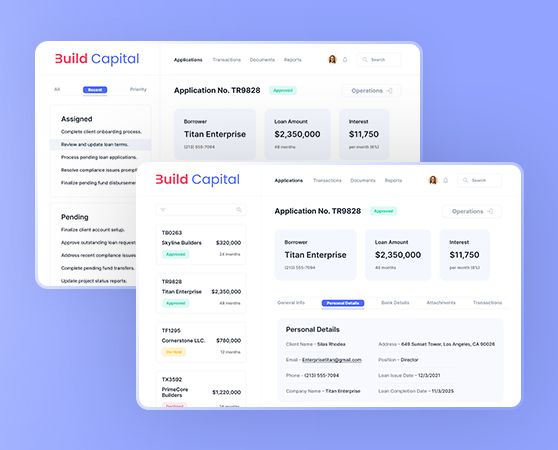
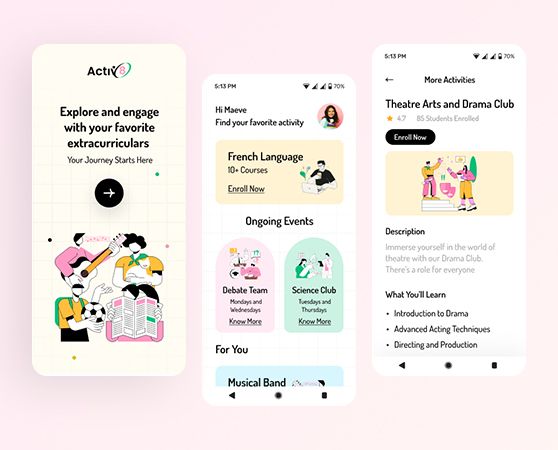
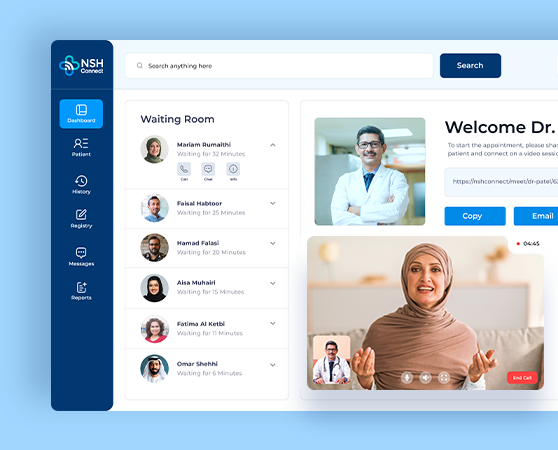
See how custom software development drives results:
| Parameter | Details |
|---|---|
| Estimated Cost | $20,000 – $100,000 |
| Expected Timeline | 8 – 16 weeks |
| Complexity Level | Low to Medium |
| Best For | Startups validating product ideas, enterprises testing new digital initiatives |
| Primary Cost Driver | Feature prioritization scope & technical architecture decisions |
| Typical Tech Stack | Next.js, Node.js, Firebase, PostgreSQL, Vercel |
MVP (Minimum Viable Product) development is creating a simplified version of your software that focuses on core features to test market fit and validate ideas before full-scale development.
MVP typically includes:
Developing an MVP allows businesses to minimize risk, gather real-world user feedback, and make informed decisions before committing resources to full-scale software. It’s a cost-effective approach that accelerates innovation while reducing wasted effort.
| Parameter | Details |
|---|---|
| Estimated Cost | $60,000 – $400,000+ |
| Expected Timeline | 4 – 10 months |
| Complexity Level | High |
| Best For | Businesses building subscription-based digital products or recurring revenue platforms |
| Primary Cost Driver | Multi-tenant architecture design & subscription/billing complexity |
| Typical Tech Stack | React, Java Spring Boot, PostgreSQL, AWS, Stripe |
SaaS (Software as a Service) development focuses on creating software delivered over the cloud and accessed via the internet, usually on a subscription model. Developing an on-cloud SaaS solution differs from traditional on-prem software because it’s centralized, scalable, and accessible anywhere.
Here are some of the benefits of SaaS development:
Explore the benefits of SaaS in detail here.
SaaS software is particularly suited for businesses looking to offer products to a wide audience without requiring on-premises installation. More importantly, SaaS development can also help tackle common enterprise challenges.
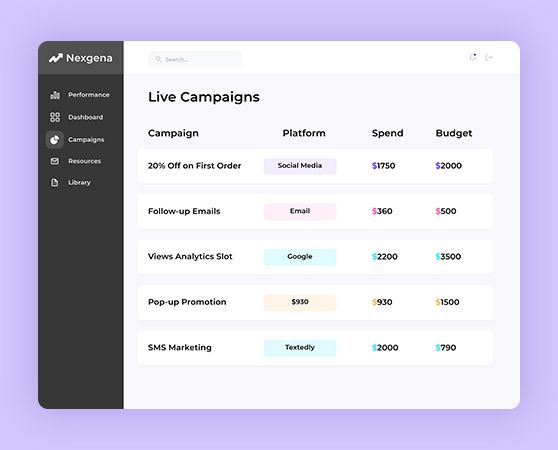
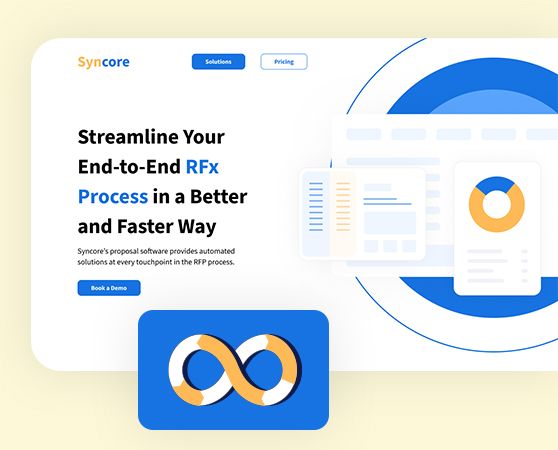
Explore real case studies of how SaaS development drives tangible business value:

| Parameter | Details |
|---|---|
| Estimated Cost | $150,000 – $1,000,000+ |
| Expected Timeline | 6 – 18 months |
| Complexity Level | Very High |
| Best For | Large organizations requiring multi-department systems, process automation, or digital transformation initiatives |
| Primary Cost Driver | Scale of users, integration ecosystem & regulatory compliance requirements |
| Typical Tech Stack | Java, .NET, Oracle Database, Azure, SAML |
Enterprise software development is a term that is often used interchangeably with custom software development. But the former differs in the sense that it is focused on building large-scale applications tailored to meet the complex requirements of large organizations. Unlike regular software, it integrates multiple business functions, supports high-volume transactions, and is designed for long-term scalability.
Enterprise software typically handles departments like HR, finance, supply chain, and customer management, all within a unified system. The focus is on efficiency, security, compliance, and integration with legacy systems.
By developing an enterprise software, organizations achieve operational efficiency, data-driven decision-making, and enhanced collaboration across large teams.
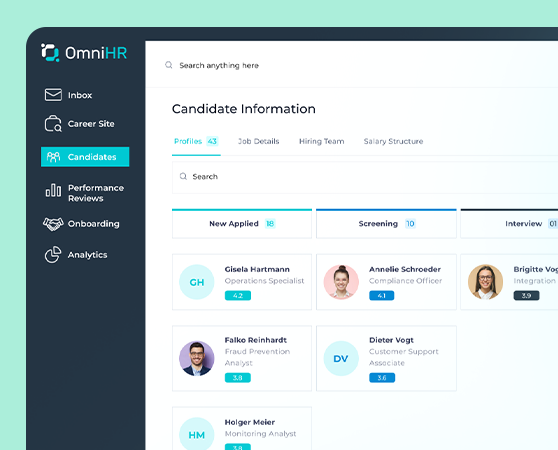
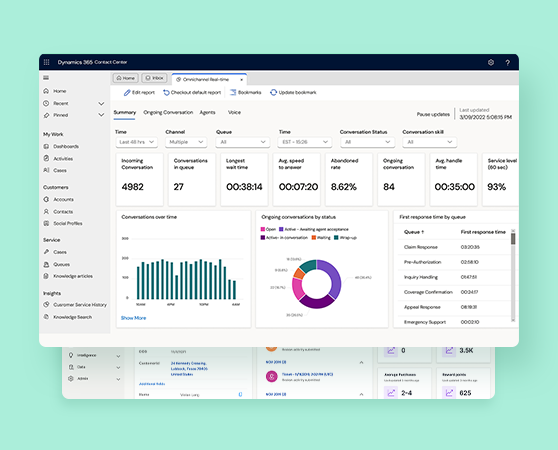
Check out enterprise software development projects that created impact:
| Parameter | Details |
|---|---|
| Estimated Cost | $25,000 – $200,000 |
| Expected Timeline | 3 – 6 months |
| Complexity Level | Medium |
| Best For | SaaS platforms, customer portals, internal dashboards, digital business applications |
| Primary Cost Driver | Feature complexity & backend integration requirements |
| Typical Tech Stack | React, Vue.js, Node.js, Laravel, MySQL |
Web development is the process of creating websites, web applications, and platforms that run within browsers. It ensures businesses have a strong online presence, interactive applications, and responsive platforms for users.
Now, web development is also a wide field with several sub-types. It includes:
See all the different types of web development here.
Web development combines frontend and backend development, ensuring the application is visually appealing, functional, secure, scalable, and adherent to accessibility guidelines.
See how web application development resulted in increased efficiency and better risk management for a car finance and insurance platform.
| Parameter | Details |
|---|---|
| Estimated Cost | $20,000 – $250,000+ |
| Expected Timeline | 3 – 8 months |
| Complexity Level | Medium to High |
| Best For | Consumer-facing apps, workforce mobility solutions, customer engagement platforms |
| Primary Cost Driver | Platform strategy (native vs cross-platform) & backend infrastructure complexity |
| Typical Tech Stack | Swift, Kotlin, Flutter, React Native, Firebase |
Mobile app development focuses on building applications specifically for mobile devices, providing seamless user experiences on smartphones and tablets.
Types of mobile app development:
Today, the cost of mobile app development can be anywhere between $20,000 to $300,000 or even more. That’s why it is important that you understand the process, types, trends, and challenges before getting started.
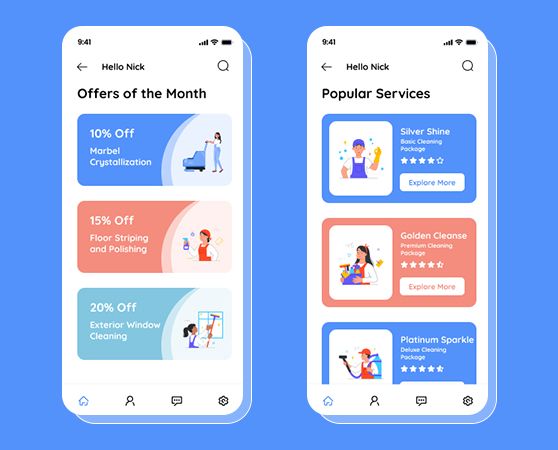
Check out the impact of strategic mobile app development:
| Parameter | Details |
|---|---|
| Estimated Cost | $30,000 – $300,000+ |
| Expected Timeline | 3 – 8 months |
| Complexity Level | Medium to High |
| Best For | Retail brands, D2C companies, B2B commerce platforms, marketplace businesses |
| Primary Cost Driver | Customization level, integrations & scalability requirements |
| Typical Tech Stack | Shopify, Magento (Adobe Commerce), WooCommerce, Stripe, AWS |
eCommerce software development is a specialized service including the development of digital platforms for buying and selling products or services. Each eCommerce solution is unique, often including features not found in regular apps.
Here are some of the key features that are included in eCommerce solutions:
It allows businesses to streamline online sales, improve customer experience, and manage operations efficiently.
See the different types of eCommerce software solutions we’ve developed and what benefits they delivered:



| Parameter | Details |
|---|---|
| Estimated Cost | $40,000 – $250,000+ |
| Expected Timeline | 3 – 7 months |
| Complexity Level | Medium to High |
| Best For | Businesses building scalable cloud-native applications or migrating from legacy infrastructure |
| Primary Cost Driver | Architecture complexity & cloud infrastructure configuration |
| Typical Tech Stack | AWS, Microsoft Azure, Google Cloud, Docker, Kubernetes |
The cloud computing market is expected to reach $2321.1 billion by 2032. This market surge has also led to a rapid rise in the development of solutions designed to run in cloud environments, leveraging remote servers rather than on-premises infrastructure.
Cloud application development are scalable, flexible, and accessible from anywhere. They allow businesses to reduce infrastructure costs and improve collaboration.
The approach includes cloud-native design, leveraging services like storage, compute, and networking from providers such as AWS, Azure, or Google Cloud. Security, redundancy, and performance optimization are key considerations in cloud software development.
See stories of how cloud-native software development steers you ahead
| Parameter | Details |
|---|---|
| Estimated Cost | $50,000 – $500,000+ |
| Expected Timeline | 4 – 12 months |
| Complexity Level | Very High |
| Best For | Businesses implementing predictive analytics, intelligent automation, recommendation systems, or generative AI solutions |
| Primary Cost Driver | Data quality, model complexity & infrastructure requirements |
| Typical Tech Stack | Python, TensorFlow, PyTorch, Apache Spark, AWS SageMaker |
Artificial Intelligence and Machine Learning are the most trending technologies today. With AI market expected to be 13X its value today in the next 7 years, it is natural that AI/ML-powered software solutions are becoming commonplace.
Some of the most common AI/ML software solutions include features like:
Important: Several enterprises today struggle to scale their AI pilots into full-scale projects. If you want to avoid that, make sure that you plan not just for quick wins, but long-term impact.
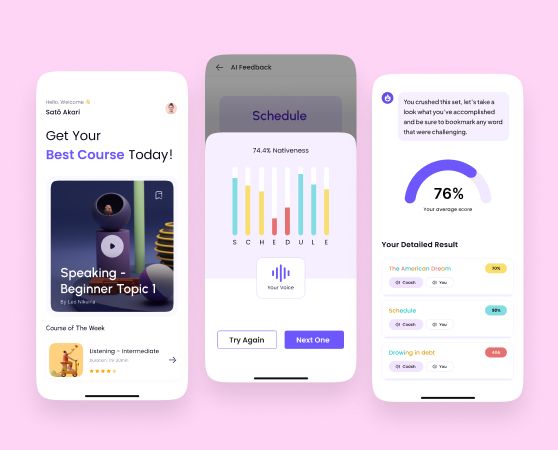
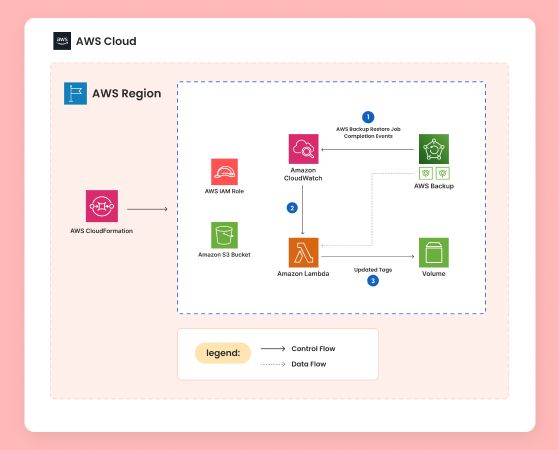
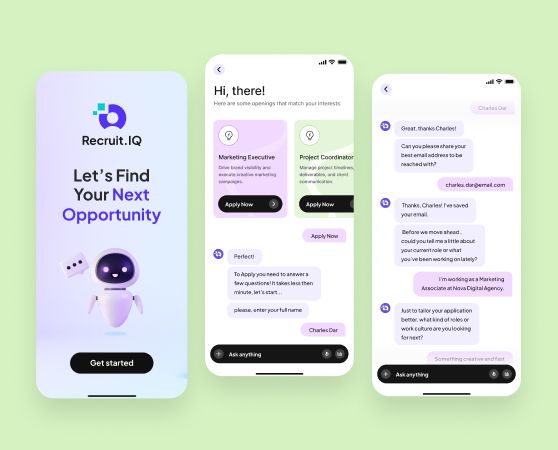
See how AI/ML development projects transform data into smarter business outcomes:
| Parameter | Details |
|---|---|
| Estimated Cost | $15,000 – $120,000 |
| Expected Timeline | 4 – 12 weeks |
| Complexity Level | Low to Medium |
| Best For | Rapid internal tool development, workflow automation, proof-of-concept applications |
| Primary Cost Driver | Customization level & integration complexity |
| Typical Tech Stack | Microsoft Power Platform, OutSystems, Mendix, Zapier, Airtable |
The accessibility gap in software development, that is, who can and cannot develop a software, is now being bridged by new-age platforms that enable development with minimal hand-coding, using visual interfaces and pre-built components.
These low or no-code development platforms offering rapid development support now empower “citizen developers” to build solution quickly while IT oversees security, integrations, and complex customizations. When you get these types of software development services, specialists developers work with you to focus on deeper customization, robust integrations, and compliance, while you can prototype and deploy solutions faster.
Here’s everything you need to know about low-code and no-code development before getting started.
| Parameter | Details |
|---|---|
| Estimated Cost | $20,000 – $150,000 |
| Expected Timeline | 2 – 6 months |
| Complexity Level | Medium |
| Best For | Organizations aiming to accelerate software delivery, improve deployment reliability, and automate infrastructure |
| Primary Cost Driver | CI/CD pipeline complexity & infrastructure automation scope |
| Typical Tech Stack | Docker, Kubernetes, Jenkins, Terraform, GitHub Actions |
DevOps development is a methodology that integrates software development (Dev) and IT operations (Ops) to improve collaboration, automate workflows, and accelerate delivery cycles.
It emphasizes continuous integration (CI) & continuous delivery (CD), monitoring, and automated testing. The goal is to reduce deployment risks, improve software quality, and ensure faster time-to-market.
By implementing DevOps services businesses achieve more reliable software releases, improved operational efficiency, and stronger alignment between development teams and business goals.
See how DevOps turns collaboration into faster, smarter releases:

| Parameter | Details |
|---|---|
| Estimated Cost | $50,000 – $500,000+ |
| Expected Timeline | 4 – 12 months |
| Complexity Level | Very High |
| Best For | Smart device ecosystems, immersive training solutions, industrial monitoring systems, interactive customer experiences |
| Primary Cost Driver | Hardware integration complexity & real-time data processing requirements |
| Typical Tech Stack | AWS IoT Core, Azure IoT Hub, MQTT, Unity, Unreal Engine |
IoT, AR, and VR development represents cutting-edge technologies where software interacts with hardware and immersive experiences.
Software development with these technologies enables businesses to innovate product experiences, enhance operational efficiency, and provide interactive, real-world solutions through software-hardware integration.
See how an IoT drug‑verification system brought transparency and trust to pharmaceutical retail by helping customers instantly confirm medicine authenticity.
| Parameter | Details |
|---|---|
| Estimated Cost | $40,000 – $400,000+ |
| Expected Timeline | 4 – 12 months |
| Complexity Level | Very High |
| Best For | Hardware manufacturers, automotive systems, medical devices, industrial automation solutions |
| Primary Cost Driver | Hardware complexity & real-time performance requirements |
| Typical Tech Stack | C, C++, Rust, FreeRTOS, ARM |
Embedded software development includes hardware-integrated solutions that are integral to devices like medical instruments, industrial machines, and consumer electronics.
Key features of embedded software solutions include:
Embedded software development isn’t a new field though. See how it has evolved and where it stands today here.
See how embedded software solutions power smarter devices and seamless real-world interactions:



| Parameter | Details |
|---|---|
| Estimated Cost | $20,000 – $200,000+ |
| Expected Timeline | 2 – 6 months |
| Complexity Level | Medium to High |
| Best For | Businesses handling large datasets, transactional systems, analytics platforms, or system integrations |
| Primary Cost Driver | Data volume, architecture design & performance optimization requirements |
| Typical Tech Stack | PostgreSQL, MongoDB, Snowflake, Amazon Redshift, Apache Airflow |
A database is the structural data storage unit that powers any software solutions. While off-the-shelf options are available, some projects may require designing, building, and maintaining databases.
Database development covers everything include:
Databases are the backbone of modern software, supporting analytics, applications, and decision-making processes, making this an essential service for all businesses relying on digital operations.
See how a robust database development helped unify customer records, enable real‑time agent access, and drive rapid growth for a healthcare insurance platform.
| Parameter | Details |
|---|---|
| Estimated Cost | $15,000 – $150,000+ |
| Expected Timeline | 1 – 4 months |
| Complexity Level | Medium to High |
| Best For | Organizations connecting legacy systems, third-party platforms, SaaS tools, or building API-first ecosystems |
| Primary Cost Driver | Number of systems involved & data mapping complexity |
| Typical Tech Stack | REST, GraphQL, MuleSoft, Apache Kafka, Apigee |
No business today works with just one software or system. But different systems often create silos that can halt business operations. To avoid that, enterprises turn to API and system integration services for connecting disparate software applications, enabling them to work together seamlessly.
Such integration allows businesses to consolidate operations, automate workflows, and ensure consistent data flow across platforms. APIs are essential for enabling communication between internal and third-party systems, driving interoperability and efficiency.
See how API development services connect systems seamlessly and unlock new opportunities for integration and innovation:
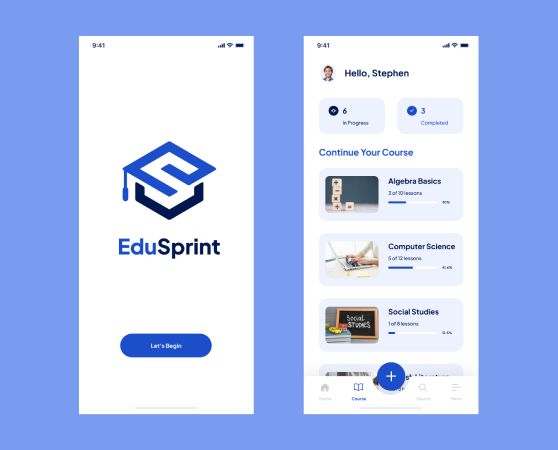
Software initiatives extend beyond initial deployment. These complementary services ensure longevity and performance.
Software Testing Services*
| Parameter | Details |
|---|---|
| Estimated Cost | $15,000 – $150,000+ |
| Expected Timeline | 1 – 6 months (or ongoing engagement) |
| Complexity Level | Medium to High |
| Best For | Businesses ensuring product quality, compliance readiness, performance stability, and secure deployments |
| Primary Cost Driver | Scope of test coverage & level of automation implementation |
| Typical Tech Stack | Selenium, Cypress, JMeter, OWASP ZAP, TestRail |
For ensuring functional, performance, and security standards are met before and after launch. Software testing includes manual and automated testing approaches designed to detect defects early and reduce production risks.
Software Maintenance and Support Services
| Parameter | Details |
|---|---|
| Estimated Cost | $10,000 – $120,000 per year (or 15–25% of initial development cost annually) |
| Expected Timeline | Ongoing engagement (retainer or SLA-based) |
| Complexity Level | Medium |
| Best For | Organizations ensuring system stability, security updates, performance optimization, and continuous improvements |
| Primary Cost Driver | Application size, frequency of updates & support SLA requirements |
| Typical Tech Stack | Datadog, New Relic, ELK Stack, Git, AWS CloudWatch |
Software solutions are expected to operate well for long periods of time. To ensure that, it is important to get ongoing software maintenance and support that includes monitoring, updates, performance optimization, and issue resolution. With these services, software remains secure, compatible, and aligned with evolving business requirements.
Software Rescue Services
| Parameter | Details |
|---|---|
| Estimated Cost | $30,000 – $250,000+ |
| Expected Timeline | 1 – 6 months (depending on project condition) |
| Complexity Level | High to Very High |
| Best For | Organizations facing failed projects, missed deadlines, performance breakdowns, security risks, or vendor abandonment |
| Primary Cost Driver | Codebase condition, documentation gaps & architectural flaws |
| Typical Tech Stack | SonarQube, Snyk, Dynatrace, Docker, Kubernetes |
Many times software developments projects don’t go live as planned. In such situations you need specialized software rescue for stalled or failing projects. Such rescue services involve code audits, architectural redesign, performance optimization, or transitioning from failing vendors.
Legacy Software Modernization Services
| Parameter | Details |
|---|---|
| Estimated Cost | $50,000 – $500,000+ |
| Expected Timeline | 4 – 12 months |
| Complexity Level | High to Very High |
| Best For | Organizations replacing outdated systems, migrating to cloud, improving performance, or reducing technical debt |
| Primary Cost Driver | Codebase size, migration complexity & architectural transformation scope |
| Typical Tech Stack | Docker, Kubernetes, React, AWS Migration Hub, Azure Migrate |
The software landscape is fast-evolving and you to stay up to date, you need to keep modernizing legacy systems to ensure scalability and security. This can include refactoring code, migrating to cloud infrastructure, replatforming, or rebuilding systems entirely to improve scalability and security.
Not every software is built alike. Sector regulations, workflows, compliance requirements, and user expectations vary from industry to industry. That’s why when you need a software developed, look for industry-specific services, not generic claims.
The financial sector demands high security, real-time processing, and regulatory compliance. That’s why building secure and compliance fintech software solutions is important for handling sensitive data, high transaction volumes, and strict audit requirements.
Common Solutions:
| Digital Banking & FinTech Platforms | Fraud Detection & Risk Management Systems | Debt Collection & Wealth Management |
|---|
What Needs to Be Done:
The most effective healthcare software solutions are 100% compliance and secure. These systems prioritize patient data security, regulatory compliance, and interoperability between providers, insurers, and laboratories. This accuracy and uptime directly impacts patient care.
Common Solutions:
| Electronic Health Records (EHR) Systems | Telemedicine & Remote Patient Monitoring Apps | Healthcare Practice Management Software |
|---|
What Needs to Be Done:
Scalable learning platforms and education software systems are a must for supporting scalability, accessibility, and interactive learning experiences. Platforms often need to handle thousands of concurrent users across devices.
Common Solutions:
| Learning Management Systems (LMS) | Virtual Classroom & eLearning Platforms | Student Information & School Management Systems |
|---|
What Needs to Be Done:
Secure, scalable, and simple-to-use HR management software are a must-have for workforce management, recruitment automation, and performance tracking. These systems integrate across payroll, compliance, and employee engagement tools.
Common Solutions:
| Recruitment & ATS Systems | Human Resource Management Systems (HRMS / HRIS) | Performance Management & Employee Engagement Software |
|---|
What Needs to Be Done:
Insurance software platforms handling policy and claims management are becoming increasingly common. These solutions also handle underwriting and regulatory reporting. These systems are dependent on structured data management and automation for improving insurance processing speed.
Common Solutions:
| Policy Administration Systems | Claims Processing & Management Platforms | Underwriting & Risk Assessment Software |
|---|
What Needs to Be Done:
Retail and eCommerce software solutions must manage transactions, inventory, personalization, and omnichannel customer journeys across online and physical stores.
Common Solutions:
| Omnichannel Commerce Platforms | Inventory & Order Management Systems | Customer Loyalty & Personalization Engines |
|---|
What Needs to Be Done:
Specialized software solutions for hospitality and travel management require real-time availability tracking, booking management, and dynamic pricing capabilities. Performance and uptime are critical during peak seasons.Performance and uptime are critical during peak seasons.
Common Solutions:
| Hotel Management Systems (HMS) | Property Management Systems (PMS) | Revenue Management & Dynamic Pricing Tools |
|---|
What Needs to Be Done:
Legal software products for case management and compliance tracking are now being used for rapid, at-scale, and secure legal communication and case work. Data integrity and confidentiality are essential aspects for these solutions.
Common Solutions:
| Case Management Systems | Legal Document Automation Platforms | eDiscovery & Compliance Software |
|---|
What Needs to Be Done:
Purporse-built software for manufacturing businesses support production planning, streamlined quality control, real-time operation monitoring, and improved visibility and coordination across facilities.
Common Solutions:
| Manufacturing Execution Systems (MES) | Production Planning & Scheduling Software | Quality Management Systems (QMS) |
|---|
What Needs to Be Done:
Logistics & Supply Chain
Integrated logistics and supply chain platforms coordinate transportation, warehousing, and route optimization across complex supply networks.
Common Solutions:
| Transportation Management Systems (TMS) | Warehouse Management Systems (WMS) | Fleet Management & Route Optimization Software |
|---|
What Needs to Be Done:
Most guides tell you to compare cost, timeline, and technical expertise. That advice is surface-level. Choosing the right software development service is not about picking a vendor. Instead, it’s about selecting the right problem-solving model for your stage of growth, risk tolerance, and competitive ambition.
Here’s a simple decision matrix to help you make the right call:
| If Your Priority Is | The Likely Right Service Category |
|---|---|
| Build a fully tailored solution aligned to unique business processes | Custom Software Development |
| Validate an idea fast with minimal investment | MVP Development |
| Build a scalable subscription-based product | SaaS Development |
| Digitize complex internal operations | Enterprise Software Development |
| Launch a marketing website or digital platform | Web Development |
| Reach users on smartphones and tablets | Mobile App Development |
| Sell products or services online | eCommerce Development |
| Move infrastructure to scalable cloud environments | Cloud Development |
| Extract intelligence and automation from data | AI/ML Development |
| Build applications quickly with limited engineering resources | Low-Code/No-Code Development |
| Improve deployment reliability and automation | DevOps Services |
| Create immersive or connected device experiences | IoT / AR / VR Development |
| Develop firmware or device-level system software | Embedded Software Development |
| Build structured, scalable, and high-performance data systems | Database Development |
| Connect fragmented systems and tools | API / System Integration |
| Ensure product quality and performance before release | Software Testing Services |
| Keep software optimized, secure, and updated post-launch | Software Maintenance Services |
| Fix failing or underperforming software projects | Software Rescue Services |
| Modernize legacy systems without rebuilding from scratch | Legacy Software Modernization |
Getting Started With the Right Software Development ServiceThe right software development service is not the most advanced one. It is the one that best matches your current business inflection point. Companies fail not because they choose the wrong vendor. But also, because they choose the wrong type of service for their strategic stage.When you align business pressure, risk tolerance, capability gaps, and growth horizon, the correct service becomes a strategic decision rather than a technical one. Schedule a no-cost consultation with our experts to see which software service best meets your current and future needs.
Ready to brush up on something new? We've got more to read right this way.