
Recognized for AI Excellence at 2026 Globee® Awards - Read More



About the Client

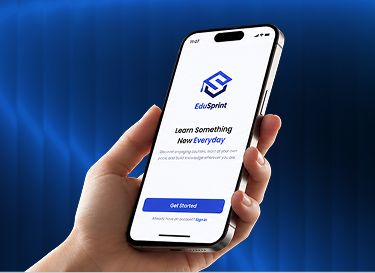
Based in Atlanta, Georgia, EduSprint is an EdTech venture offering free educational content and videos across diverse subjects. They are on a mission to democratize education, with an EdTech-specific solution that supports growing content and users.
Project Goals

EduSprint's growing repository of online lectures and increasing user traffic exposed the limitations of its existing static website. The platform needed greater scalability to accommodate expanding educational content while maintaining accessibility, usability, and consistent performance for learners. The project focused on modernizing legacy applications into a robust SaaS mobile experience hosted on the cloud. The objective was to address traffic spikes, improve content accessibility, and establish a scalable foundation capable of supporting a growing learner community across devices.

Brief of the Project

EduSprint approached Radixweb to transform its existing platform into a scalable mobile app. The modernization initiative involved rethinking the existing monolithic structure, migrating data and infrastructure to Microsoft Azure, and creating a more flexible tech foundation for future growth. In the process, Radixweb modernized the enterprise application to make it better suited for evolving learner and business needs.
We adopted a microservices architecture modernization approach, breaking the original monolithic website into independently manageable modules. Capabilities such as video streaming and content management were separated into dedicated services, establishing a modern SaaS application architecture that could scale individual functionalities according to demand.
The solution combined React Native for cross-platform mobile development with C# and .NET for backend capabilities and Microsoft Azure for cloud infrastructure. Through cloud-based application modernization, large-scale video content was migrated and organized using data pipelines and batch processing, while auto-scaling and load balancing helped maintain application responsiveness during traffic surges. The result was a secure, cloud-first digital software solution built around scalability and accessibility.
Client Feedback

Radixweb helped us transform our platform into a scalable mobile experience that could support our growing content library and learner base. The new solution has made our platform more accessible, reliable, and easier to manage.
The modernization focused on more than moving an existing website to mobile. We established a scalable technology foundation where cloud infrastructure, microservices, data management, and cross-platform development work together to support EduSprint's growing content and learner base.

Hardik Patel
Key Challenges
- The existing static website and monolithic structure made it difficult to independently scale capabilities as the platform's content and user base continued to grow.
- EduSprint needed a scalable approach to video content management for education that could efficiently handle increasing volumes of lectures and educational resources.
- Peak usage periods created unpredictable traffic loads, requiring infrastructure capable of dynamically scaling resources without compromising application responsiveness.
- Learners needed faster access to an expanding library of educational resources through intuitive search, navigation, categorization, and filtering capabilities.
- The modernized experience needed to provide consistent functionality across Android and iOS devices without maintaining separate native application codebases.
- As an education platform serving students, EduSprint required appropriate access controls and content filtering to create a safer learning environment.

Solutions Delivered

Microservices Architecture Modernization
We transformed the monolithic website using microservices architecture modernization, separating key capabilities such as video streaming and content management into independent, scalable services for greater flexibility and maintainability.

Azure Cloud Modernization
Our team implemented Azure cloud modernization to migrate the platform and its data to a scalable cloud environment. Azure Data Box and SQL Server Migration Assistant helped improve data accessibility, scalability, and application performance.

Scalable Data Management
We implemented data pipelines and batch processing to manage the growing volume of educational videos. This video content management for education approach enabled reliable storage, faster processing, and scalable content delivery as the platform expanded.

SaaS Mobile App Development
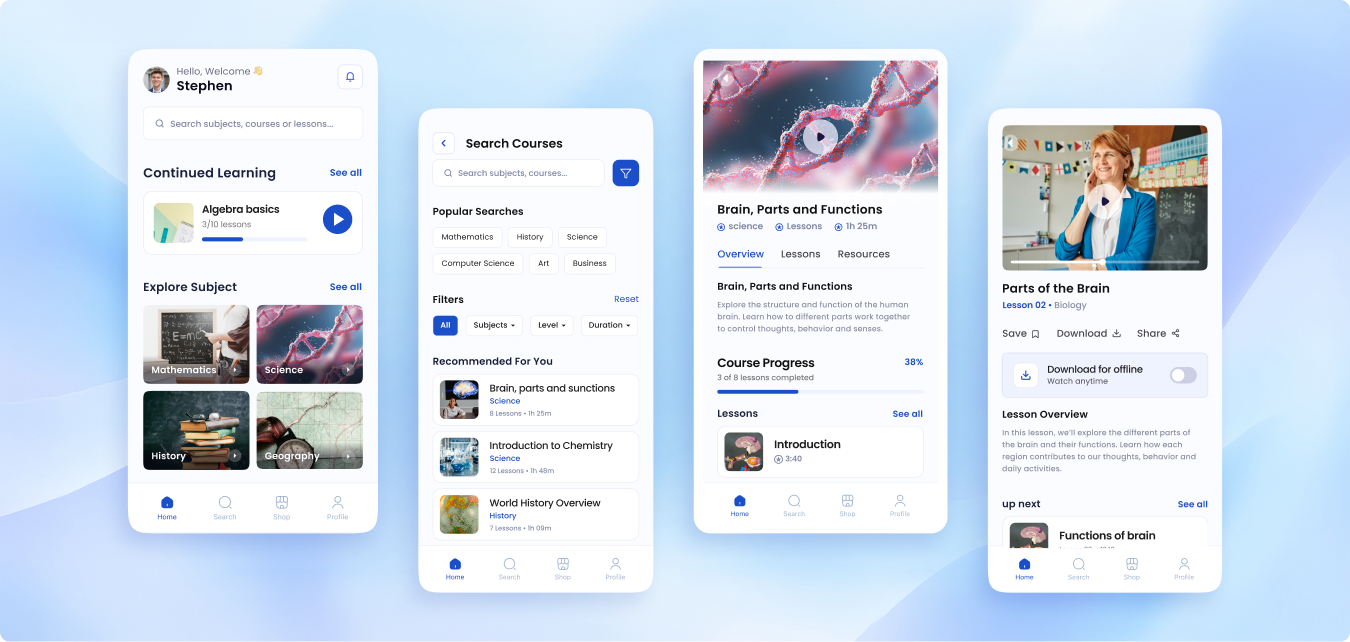
Using React Native, we delivered cross-platform SaaS mobile app development for Android and iOS and developed a modern mobile app that offered a consistent learning experience across devices. APIs enabled seamless communication between the mobile application and cloud backend.

Modern SaaS Application Architecture
We established a modern SaaS application architecture with responsive UI, intuitive navigation, advanced search, filtering, recommendations, offline viewing, and administrative controls to support learners and platform administrators.

Auto-Scaling Infrastructure
Our cloud-native application modernization approach included auto-scaling and load balancing capabilities. Resources could dynamically adjust according to demand, helping maintain consistent performance during traffic spikes and high concurrent usage.

Transform legacy technology into a scalable digital learning experience built for growth.
Technologies Used
Microsoft Azure
Azure provided the cloud infrastructure for the modernized platform, supporting data migration, scalable storage, application hosting, and the infrastructure required for handling changing traffic demands.
React Native
React Native enabled cross-platform mobile application development, allowing EduSprint to deliver a consistent experience across Android and iOS while reducing the need for separate application codebases.
C#
C# supported backend development and application functionality, providing a reliable foundation for APIs, business logic, and communication between the mobile experience and cloud-based services.
.NET
.NET powered the application's backend capabilities and APIs, supporting communication between the mobile application, services, and data layer within the modernized platform architecture.
Azure Data Box
Azure Data Box supported the migration of large volumes of educational data to the cloud, helping transfer the platform's growing content repository as part of its modernization initiative.
SQL Server Migration Assistant
SQL Server Migration Assistant supported database migration activities, helping transition existing data into the modern cloud environment while maintaining accessibility for the application's services.
Business Benefits

Increased User Engagement
The modernized platform delivered a more accessible and engaging learning experience, resulting in a 27% increase in average session duration as learners spent more time exploring educational content.

Improved Content Discovery
Enhanced navigation, search, content discovery, and mobile accessibility contributed to a 35% reduction in bounce rate, making it easier for learners to find and engage with relevant resources.

Enhanced Platform Performance
The scalable SaaS platform modernization improved platform performance and reliability under concurrent usage, contributing to a 25% increase in page views and supporting growing learner demand.

Stronger Community Engagement
Interactive features including forums, live sessions, and Q&A programs encouraged greater participation, resulting in a 33% increase in user-generated content and discussions.
Build future-ready learning experiences with cloud, mobile, and modern application architecture.