
Recognized for AI Excellence at 2026 Globee® Awards - Read More
Client Background
Operating within the health insurance sector, the enterprise manages data-heavy administrative processes that traditionally relied on manual coordination. As operations expanded, the need for automation and functional database support became a priority.

Country
Australia

Industry
HealthTech

Time Invested
Ongoing

Engagement Model
Dedicated Team
Project Goals

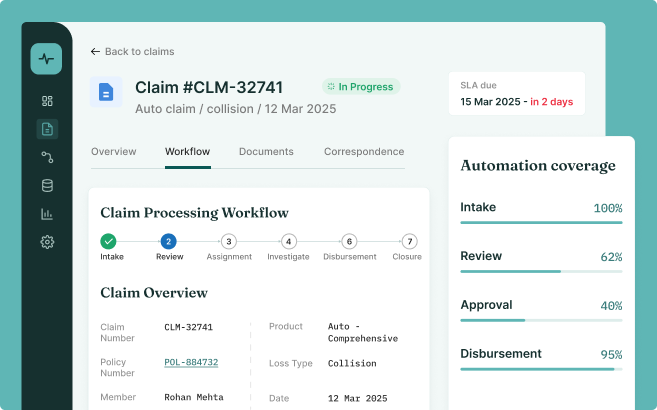
The enterprise approached Radixweb with the objective of reducing manual work through health insurance workflow automation and improving long-term operational consistency. The goal of this project on tech solutions built for clinical and operational workflows was process automation that could hold up under regular operational demand. This meant addressing existing database support concerns, tightening workflow consistency, and building a foundation that would let internal staff spend less time on repetitive coordination and more time on decisions that required their judgment.
Project Brief

Radixweb engaged with the client through a dedicated team model built around fixed, approved hours, which gave both sides predictable planning and delivery cycles. The engagement covering technology purpose-built for insurance operations began in April 2026 and remains active, structured around Agile practices with regular sprint planning to keep priorities aligned as requirements evolved.
Our team specializing in health insurance software modernization combined a project lead, software engineering talent at two experience levels, a lead QA engineer, and a dedicated database administrator. Early work centered on stabilizing an existing PostgreSQL environment that had been generating support issues, while simultaneously addressing the manual, disconnected workflows that were consuming staff time.
Development and quality assurance proceeded together, with SSMS and SSIS forming the core toolset for data management and integration tasks throughout the build.
Client Feedback

Working with the Radixweb team has brought a level of structure to our processes that we hadn't managed internally. Their approach to sprint planning keeps everyone aligned, and the database support has already made a noticeable difference.
We had to balance two priorities at once. Our team leaned on close coordination between development, QA, and database administration to keep both threads moving without one slowing the other down. The sprint structure has given us a steady rhythm, and we're seeing that discipline pay off in the quality of what we're delivering each cycle.

Pritish Parikh
Key Challenges

- The client's PostgreSQL database had recurring support issues that had to be stabilized before any meaningful automation work could proceed.
- Manual processes had grown scattered over time, with no consistent structure connecting related tasks or handoffs.
- Building automation for an active health insurance operation meant introducing changes without disrupting ongoing administrative workflows already in use.
- Coordinating a five-person dedicated team across development, QA, and database administration needed disciplined sprint planning from the outset.
- Establishing support documentation early was necessary, since the engagement's long-term maintenance phase had only just begun.
Solutions We Delivered

Database Stabilization and Support
The team addressed recurring PostgreSQL support issues directly, working to identify root causes rather than applying temporary patches. This groundwork gave the client a more dependable data layer to build automation on top of, reducing the operational friction that had been slowing internal teams.

Structured Sprint-Based Development
Agile practices, anchored by regular sprint planning sessions, gave the engagement a predictable rhythm. This structure allowed the team to reprioritize work as new requirements surfaced, without losing sight of the client's broader health insurance process automation objectives.

Manual Process Automation
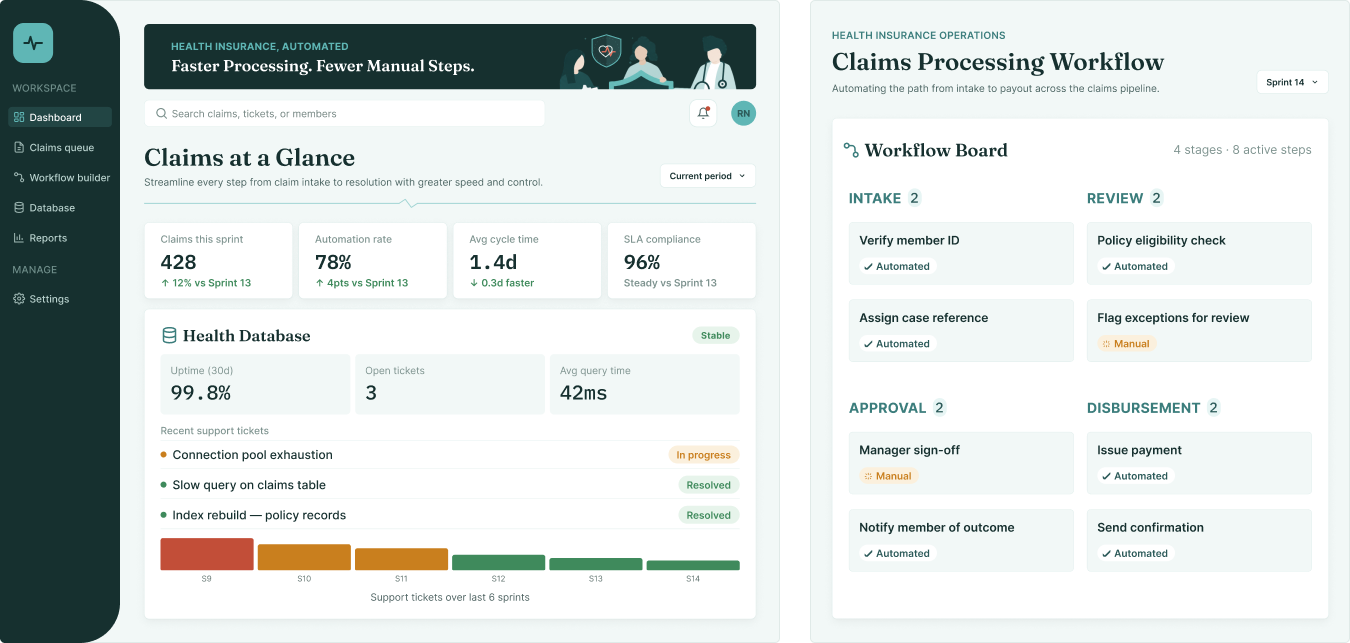
Recognizing scattered manual work was the client's core pain point. Our team focused on converting disconnected tasks into structured, repeatable workflows. This shift was designed to free internal staff from routine coordination so they could focus on higher-value decisions.

Integrated Development and QA
Development and quality assurance ran in parallel with legacy insurance application modernization, with both automated and manual testing strategies applied throughout. This approach helped catch inconsistencies early, keeping delivery quality steady as new features moved through each sprint.

Access-Controlled User Permissions
User access was managed through defined permission structures, ensuring that individuals interacted only with the parts of the system relevant to their role. This measure supported data integrity across a system handling sensitive health insurance information.

Support Documentation for Continuity
As the engagement on legacy modernization for health insurance providers moved into its maintenance phase, the team began compiling documentation to support the client's internal staff. This resource was created specifically to help the client's teams operate and troubleshoot the system independently.
If manual processes are creating the same kind of scattered, inconsistent workflows this enterprise faced, our engineering team can help bring structure back to your operations.
Technologies Used
SQL Server Management Studio (SSMS)
SSMS was used additionally for its strength in managing and querying relational databases directly. It provided the team with a reliable interface for administering data structures and resolving the support issues present in the client's existing environment.
SQL Server Integration Services (SSIS)
SSIS supported the integration and transformation work needed to connect disparate data sources into more cohesive workflows. Its suitability for building repeatable data pipelines made it a practical fit for the automation goals driving this engagement.
End Results

Reduced Manual Workload
By converting scattered manual tasks into structured, automated workflows, internal staff at the enterprise gained back time previously spent on repetitive coordination, allowing them to redirect attention toward more substantive operational decisions.

Improved Database Reliability
Addressing the recurring PostgreSQL support issues through health insurance database modernization gave the client a more stable data foundation, reducing the operational disruptions that had previously required frequent internal troubleshooting and support intervention.

Consistent Delivery Through Agile Practices
Regular sprint planning brought predictability to a project that had previously operated without clear structure, giving the client's stakeholders visibility into progress and the ability to adjust priorities as needs evolved.

Foundation for Long-Term Support
With documentation for health insurance operations automation solutions, and a dedicated team already in place, the client is positioned for ongoing maintenance and support, ensuring that the systems built during this engagement continue to function reliably as needs grow.
Explore More Case Studies
Explore how an engagement could address the specific bottlenecks in your organization's workflows.