Read More


Recognized for AI Excellence at 2026 Globee® Awards - Read More

Dharmesh Acharya

10 Mins Read: In the age of AI, the race to ship faster is pushing towards exploding cloud, elevated AI/data hazards, and employee burnouts. Before speed becomes your biggest liability, you must shift the dialogue to enhancing sustainable engineering. It’s not a slowdown; it’s building poised resilience – our COO, Dharmesh Acharya, explains.
TL; DR – Don’t Skip This
● Quick innovation, no sustainability = negative compounding. It drives higher cloud costs, AI risk, tech debts, and instability across software systems.● Sustainable tech development scores over quick shipping by enhancing stable, cost-effective, observable, auditable, and governed delivery.● Establish FinOps + GreenOps checks to balance team performance, spending, and environmental impact. It also prevents margin leakage when workloads increase.● Implement governance-by-design in AI (model cards, drift monitoring, explainability) to reduce risk and boost the scope of credible, scalable AI adoption.● Integrate golden-path engineering and strong operational discipline to cut incidents, minimize cognitive load, and eliminate rework cycles that slow down teams.● Shift business KPIs from “time-to-ship” to ‘Time-to-Stable-Value’, Sustainable Margins, and Error Budget Health for driving value in innovation drives.● Sustainable development builds predictable solutions, healthy engineering teams, lowers operational drags and upkeeps strong margins. Stable ops also accelerate innovation over time.
Since the rise of AI-led automation, tech leaders began quantifying success with speed-to-ship. And while this indeed helped launch solutions faster, systems kept collapsing silently. Escalating development costs that eat into profit margins, overstretched developer capacity and mediocre solution capacity drastically affects market trust.
The more I build, the more I realize that scalability isn’t a metric, it’s a philosophy.You don’t build to grow. You build so growth doesn’t break you. And security, that’s the quiet constant holding it all together. Not the loud part of innovation, but the invisible foundation that decides whether your next leap forward stands or collapses.Every new wave be it AI, automation, quantum - promises speed.The smartest builders know: Real speed comes from trust. - Dharmesh Acharya, COO, Radixweb
My first-hand experience says businesses that have adopted sustainability-first operating models over speed with accountable and end-to-end owned AI outcomes, cost and carbon-aware architectures, AI and data governance-by-design protocols, Ops discipline-as-a-product and talent sustainability are experiencing lesser incidents, explainable AI, intense innovation and better unit economics within 6-8 financial quarters.
My advice? Measure business success through:
The shift we are talking about isn’t just mechanical, it’s deeply cultural as well.

Let’s accept, there’s a tremendous pull in ‘shipping now.’ Led by ambitious AI promises, demanding markets, and impatient blueprints of growth. Speed without sustainability is nothing but recklessness.
Each shortcut you take accumulates in compounding interests for every quarter: escalated cloud costs, obscure AI risks, random incidents, costly reworks and a stretched-thin engineering squad.
Speed-at-any-cost shows up the same way across businesses of all scales:
The cost of rapidly speeding software development and delivery is often drag gathered over a long period. The fix here isn’t ‘stop shipping’; it’s ‘shipping sustainably’. Sustainability cannot be a marketing gimmick; it must become the backbone of your operations – protecting profit margins, reducing instability while increasing the impact of innovation. Prioritize stable value delivery over quick release velocity.
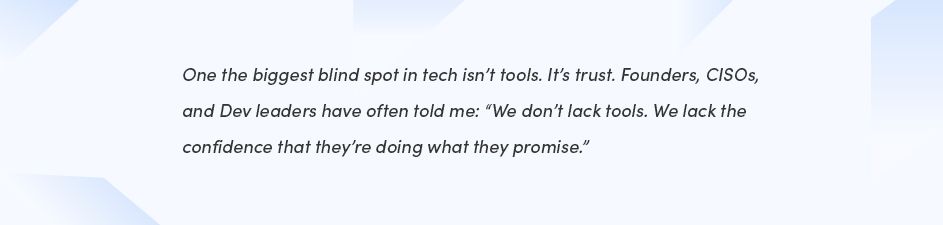
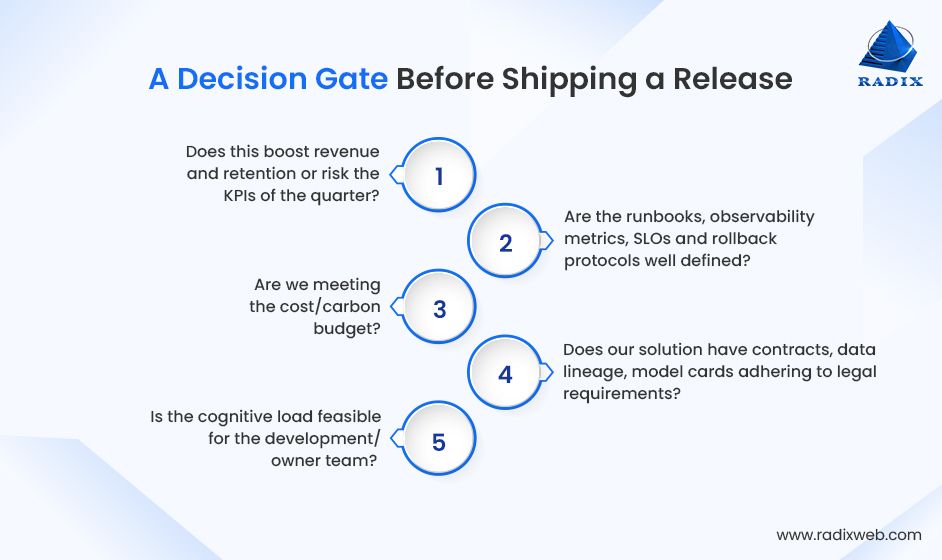
Shift your scorecard – from ‘how much has been shipped?’ to ‘what stable value it delivered in production with defined ownership, clear observability and predictable cost-to-serve’?
1. Tech Maintainability over Shipping at Speed
Define your KPIs as per TTSV (Time-to-Stable-Value) = idea → deployment → meeting SLOs for n days, within cost budgets and scope of telemetry
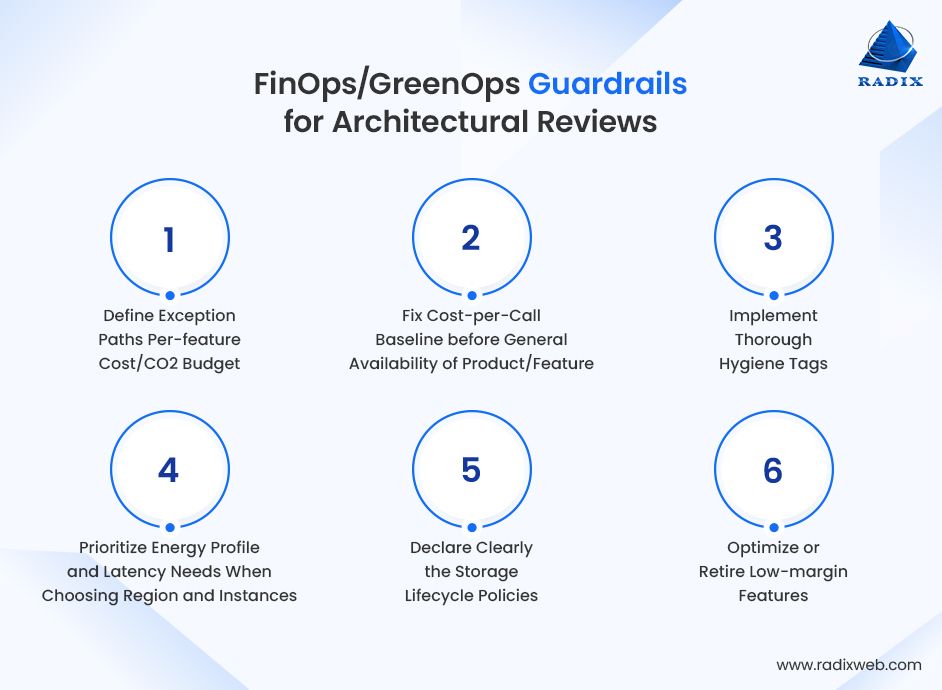
2. Cost and Carbon-Aware Architecture:
Operationalize designing for cost clarity. Align architecture decisions on cost-per-call, egress costs and expenses of lifecycle storage.
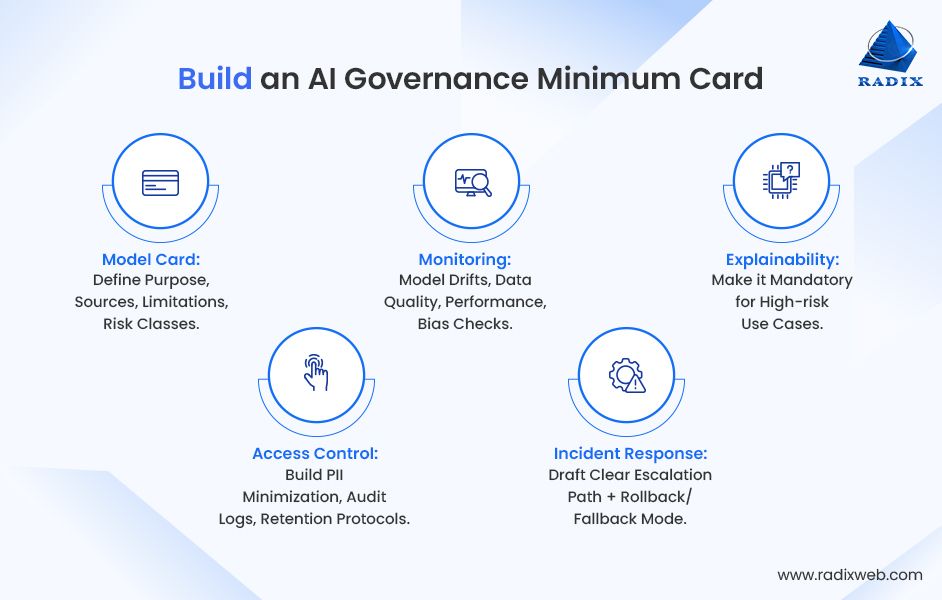
3. AI and Data Governance-by-Design:
Governance is the insurance for speed. Build clean data contracts, lineage controls and model governance to build higher credibility.
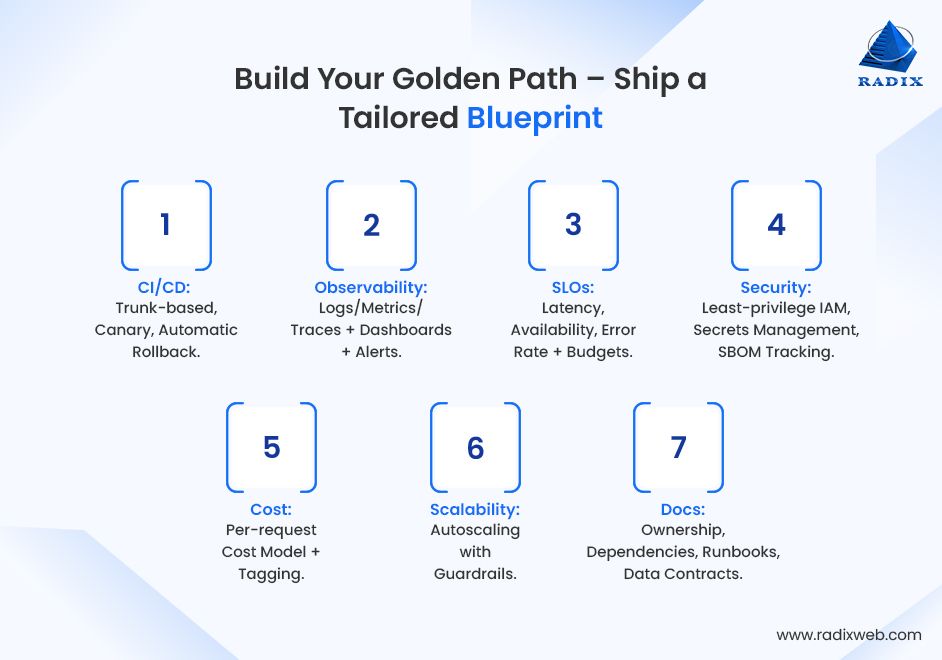
4. Ops Discipline as a Product
Treat operational excellence as your core product offering. Design a shift in culture that handles, designs, owns, improves, and communicates reliability protocols, SLAs, incident management, and cost governance with the same seriousness as building and shipping features.
5. Talent Sustainability
Set your speed limit as per manageable cognitive load —the complexity your teams can handle without burnout.
At times, speeding feels reasonable because the red flags aren’t visible yet. These silent killers have minimal triggers, which your scorecards often miss. Some ‘tried and tested’ warning signs look like below:
If you’re saying yes to at least three from the list, you aren’t pleasing customers with fast shipping; you’re building invisible liabilities for your business.
Change the Narrative – Choose Maintainable Tech Over Quick Shipping
The common language for most tech leaders is speed. However, I’m more grounded in the philosophy of alignment. I’ve led businesses through transformations for over 30 years now. Even in the age of AI and automation, I’ve witnessed teams rushing to launch fast and promise even faster. But what truly moves the needle is the discipline behind the speed and precision behind each strategy.Digital ecosystems are growing increasingly complex – the real test of maturity for your tech culture doesn’t lie in unchecked innovation, but in delivering resilient, poised operations. Talk to our experts if you are all in for prioritizing longevity, reliability and scaling responsibly over speedy delivery alone.
Ready to brush up on something new? We've got more to read right this way.