Read More


Recognized for AI Excellence at 2026 Globee® Awards - Read More

Akash Kareliya
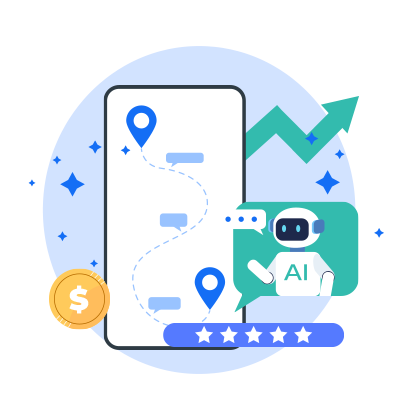
Summed Up: The travel and tourism industry is being revolutionized by AI. Personalized itineraries, AI-powered VAs, dynamic pricing, fraud detection... artificial intelligence in tourism enhances customer experiences, optimizes operations, and drives growth. This blog explores applications, benefits, challenges, and future trends shaping travel with AI.
Artificial intelligence is no longer just a futuristic concept. It is reshaping the way we travel. The AI in travel industry, which was worth $3,373 million in 2024 will be worth $13,868 million by 2030. This rapid CAGR of 26.7% shows that AI-powered systems are the future of travel.
What’s driving this surge is the growing demand for faster service, hyper-personalization, and seamless customer experiences. Travelers today expect instant support, tailored suggestions, and frictionless journeys. AI is making all of that possible. With that, 71% of travel companies plan to increase their AI investments in the near future (within 2 years). This is what will help them stay competitive and meet evolving expectations.
In this blog, we explore the ‘what’, ‘why’, and ‘how’ of AI in travel industry.

AI in travel and tourism leverages advanced technologies such as machine learning, natural language processing, computer vision, and predictive analytics. The aim is to automate, personalize, and optimize travel experiences. These technologies let travel businesses understand traveler behavior, anticipate needs, and deliver seamless services across the journey.
For example, the use of AI in travel can help analyze millions of data points. This includes everything from booking patterns and social media activity to seasonal trends. Based on this data, AI systems can recommend personalized itineraries or suggest accommodation. Artificial intelligence in tourism also powers smart chatbots, virtual travel assistants, and AI-driven recommendation engines that interact with travelers 24/7.
AI in travel isn’t all customer-facing applications though. AI also supports backend operations like dynamic pricing, fraud detection, and resource optimization. With AI integrations, travel companies can thus, improve operational efficiency, enhance customer satisfaction, and gain a competitive edge. In a rapidly evolving industry, AI is often the edge that helps travel companies stand out.
AI in travel has evolved with advances in data analytics, cloud computing, and connectivity. What started as basic automation has now grown into intelligent, real-time systems. These solutions are now personalizing journeys, optimizing operations, and supporting smarter decision-making. Here's how the systems have evolved:

AI isn’t just a buzzword in the travel world. It’s already powering tools and experiences used by travelers and brands every day. Below are some real-world AI use cases in travel and tourism, that show how AI is driving tangible impact.
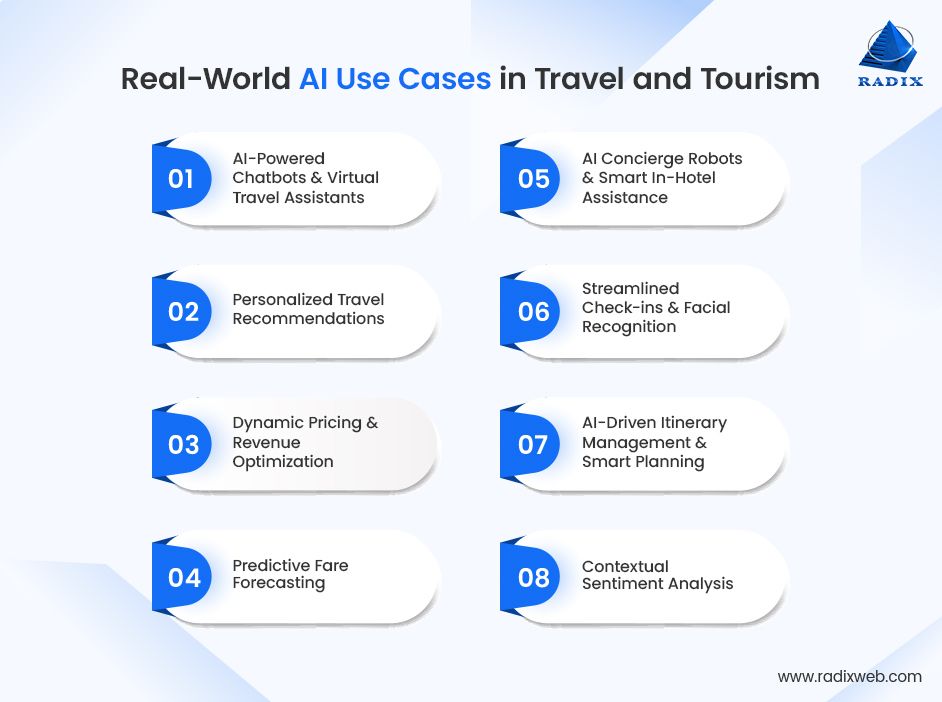
AI chatbots provide 24/7 multi-channel support for travelers. With these, travelers can change booking, get real-time updates, and find FAQ answers. This doesn't just reduce human workload but also improves response time dramatically.
KLM Royal Dutch Airlines, for example, is among the first businesses to use an AI chatbot. They have AI chatbots on Messenger and WhatsApp, which address 50% of their overall customer support queries.
ML can analyze a lot of data including user preferences, past trips, search behavior, and more. It then recommends destinations, accommodations, and tailored activities to travelers.
For example, Airbnb uses AI to personalize travel suggestions. Based on past bookings and searches, they help travelers find unique stays and experiences.
AI systems continuously analyze demand, competitor pricing, seasonality, and trends. Prices are adjusted based on that, in real time. This benefits both travelers (who get better deals) and businesses (who get higher revenue).
A great example of this is Marriott International’s use of AI-driven dynamic pricing. With AI, they automatically optimize room rates based on demand, local events, and market trends.
AI models help consumers and travel platforms forecast flight or hotel price movements. This enables smarter booking decisions and savings.
Hopper is an industry leader in this regard, using historical pricing data and machine learning to predict airfare and hotel price trends. With that, users can decide when to book to secure the best rates.
Concierges are an important part of the travel and hospitality industry. With AI, robotic concierges are now enhancing service delivery online and on-site. They are answering queries, recommending local attractions, and improving overall guest engagement.
Hilton’s “Connie”, which is an IBM Watson-powered robot concierge is a very relevant example of such AI in tourism. Connie interacts with guests to answer questions about hotel amenities and local attractions. This adds a unique customer experience layer, which helps Hilton stand out further.
AI-enabled systems like facial recognition are speeding up airport security checks and hotel check-ins. This not just reduces wait times but also improves traveler flow.
Delta, for example, is among those airlines that now use facial recognition to expedite boarding. This is being used for passengers enrolled in certain programs to ensure compliance with privacy norms.
AI helps travelers organize all trip details (from flights to hotels and activities!) all in one place, with automated suggestions and real-time adjustments.
TripIt is one fine example of this use case of AI in travel. With AI, it consolidates travel reservation emails into a master itinerary. It also offers automatic updates and personalized trip insights
AI tools are now increasingly being used to scan online reviews, social media posts, and feedback. This helps travel businesses understand customer sentiment and proactively improve services.
Platforms like TripAdvisor are making waves in this niche by using AI to analyze millions of traveler reviews. The result? Hotels and destinations are able to identify areas for improvement and enhance customer experiences.
Together, these AI applications in travel and tourism show how developing a travel app with AI capabilities delivers practical value. These innovations aren’t hypothetical. They’re actively powering travel solutions and shaping the future of the industry.
AI adds value for travelers throughout their journey. But that's not all. It also helps travel brands behind the scenes. Here are the top benefits of AI for travel industry:
1. Before the Trip: Smarter Planning & Personalization
AI simplifies trip planning by helping travelers discover options that match their interests. AI-powered systems often analyze preferences, search behavior, budget, and past trips. With that, AI removes decision fatigue and replaces it with relevant, personalized recommendations.
What AI Enables
Outcome: Faster trip planning, better choices, and higher traveler satisfaction.
2. During the Trip: Real-Time Support & Convenience
While traveling, quick access to support is critical. AI-powered virtual assistants ensure travelers receive instant help. Whether it’s handling a booking change, answering questions, or sharing real-time updates, they don't need to wait for human assistance now.
What AI Enables
Outcome: Seamless travel experiences and reduced stress during trips.
3. After the Trip: Smarter Feedback & Engagement
AI continues to add value even after the journey ends. AI systems are used to analyze feedback, reviews, and traveler behavior. With that, brands can engage travelers with relevant follow-ups and better future recommendations.
What AI Enables
Outcome: Improved traveler engagement and stronger long-term relationships.
4. Personalized Customer Experiences at Scale
AI enables travel brands to deliver personalized experiences to millions of customers simultaneously. Enterprise-grade AI implementation helps brands tailor recommendations, content, and promotions to individual needs.
What AI Enables
Outcome: Higher conversion rates, repeat bookings, and customer loyalty.
5. AI-Powered Customer Support & Service Automation
AI reduces the pressure on customer support teams by handling routine requests automatically. With AI agent development, human agents can focus on complex issues while maintaining consistent service quality.
What AI Enables
Outcome: Lower support costs and faster response times.
6. Dynamic Pricing & Revenue Optimization
AI continuously analyzes market conditions to help brands price services more intelligently. This ensures competitiveness while maximizing revenue during both peak and low-demand periods.
What AI Enables
Outcome: Optimized revenue and improved profitability.
7. Operational Efficiency & Cost Reduction
AI streamlines backend operations by automating manual processes and improving resource allocation. This reduces errors, saves time, and improves overall operational performance.
What AI Enables
Outcome: Reduced operational costs and improved efficiency.
8. Fraud Detection & Secure Transactions
As digital bookings grow, AI plays a vital role in protecting transactions with fraud detection using AI in tourism. AI systems detect unusual patterns in real time, helping brands prevent fraud and protect customer data.
What AI Enables
Outcome: Safer bookings and increased customer trust.
9. Data-Driven Strategy & Business Intelligence
AI transforms large volumes of travel data into actionable insights. Brands can better understand customer behavior, forecast trends, and improve decision-making across departments.
What AI Enables
Outcome: Smarter strategies and faster responses to market changes.
10. Sustainability & Responsible Tourism
AI helps travel brands operate more sustainably by optimizing resources and managing tourist flows. This supports environmental goals while improving brand reputation.
What AI Enables
Outcome: Sustainable operations and responsible tourism growth.
AI brings clear advantages to the travel and tourism industry. But its adoption is not without obstacles related to data privacy, security, ethics, technology, and costs. Successfully implementing AI requires more than just technology. It demands strong data practices, system readiness, skilled talent, and customer trust.
Understanding the challenges of AI in tourism helps travel businesses adopt AI responsibly and effectively.
AI-powered virtual travel assistants and other systems rely on large volumes of sensitive traveler data. This makes privacy and security a major concern. Travel companies need to maintain complete compliance related to PII and payment data.
Key challenges
Solution direction: Limit AI use to necessary data, handled under defined compliance standards.
Many travel businesses operate on legacy platforms that aren't designed to support AI. Integrating modern AI tools with existing systems can be technically complex and time-consuming
Key challenges
Solution direction: Introduce AI in phases instead of replacing everything all at once.
AI adoption often requires significant upfront investment and ongoing operational costs. Smaller businesses, in particular, find it difficult to justify or sustain these expenses.
Key challenges
Solution direction: Start with AI travel use cases that directly impact revenue or efficiency.
AI outcomes are highly dependent on the quality of data used to train models. In travel, data is often fragmented, inconsistent, or incomplete, which affects AI performance.
Key challenges
Solution direction: Use consistent, well-structured data sources to train and run AI systems.
Implementing and managing AI systems requires a team of specialized AI developers that many travel companies lack. This shortage of AI talent can slow adoption and make it complicated.
Key challenges
Solution direction: Combine internal domain knowledge with external AI expertise
AI systems can unintentionally introduce bias or feel impersonal if not designed thoughtfully. Travelers may also hesitate to rely entirely on automated interactions.
Key challenges
Solution direction: Regularly review AI outputs to ensure fairness and transparency for users.
AI regulations continue to evolve across regions. This creates uncertainty for travel businesses operating globally. Staying compliant while innovating remains a challenge.
Key challenges
Solution direction: Align AI practices with the laws with room to adjust as the laws evolve.
AI challenges in travel and tourism are not roadblocks, but design considerations. With the right strategy, governance, and partnerships, travel businesses can overcome these challenges. Not just that, they can also unlock AI’s full potential in a responsible and sustainable way.
Adopting AI in travel isn’t about flipping a switch but a journey. In fact, implementing AI in travel works best when approached as a phased journey rather than a technical rollout. The goal is to build impact first, then scale with confidence.
Here’s a practical roadmap to guide AI implementation across your travel ecosystem:
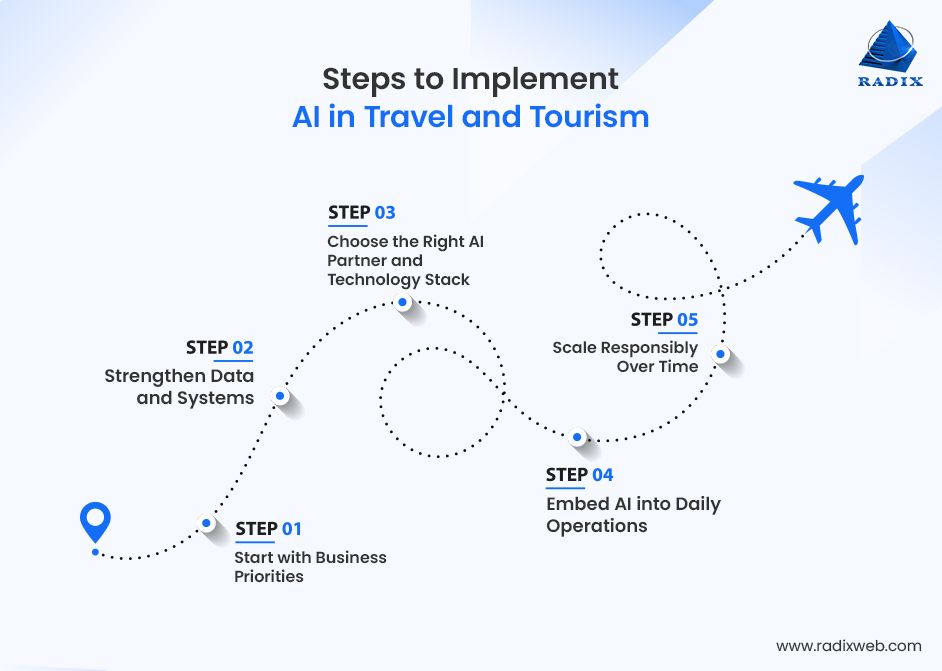
AI should solve real problems, not exist as an experiment. Travel businesses begin by identifying where AI can improve customer experience, pricing decisions, operations, or risk management. You might also want to get AI consulting to finalize the most impactful AI use case.
AI depends on accessible, reliable data. So, make sure you focus on understanding existing data, reducing fragmentation, and ensuring systems can support real-time insights without disruption.
Success with AI often depends on who you work with. Selecting partners who use proven AI programming languages, frameworks, and tools ensures solutions are scalable, secure, and aligned with long-term goals.
AI delivers value only when it becomes part of everyday workflows. Integrating AI with booking platforms, CRM systems, and operational tools ensures insights lead to action.
Once AI proves effective, it can expand across teams, regions, and services, with continued attention to performance, ethics, and customer trust.
For every $1 invested in AI, companies expect an average return of $3.70. So, don’t wait, follow a structured approach, and see how AI in travel industry delivers measurable value for you.

Getting Started with AI in Travel and Tourism
The travel and tourism industry is evolving rapidly, and businesses that adopt AI early gain a clear competitive advantage. From personalized traveler experiences to smarter pricing and operations, AI in travel enables scalability, efficiency, and innovation. Overall, it helps organizations meet rising customer expectations and market demands.At Radixweb, we bring deep expertise in delivering AI-driven solutions tailored for travel and tourism businesses. Our proven experience across data analytics, AI integration, and digital transformation helps brands achieve measurable results. If you have an idea, the first step should be to get it technically validated by experts. Start by scheduling a no-cost consultation with our AI developers to map your AI journey today.
Ready to brush up on something new? We've got more to read right this way.