
Recognized for AI Excellence at 2026 Globee® Awards - Read More
About the Client
The client is a SaaS HR technology company that offers an integrated recruitment CRM and payroll management platform designed for staffing and recruitment agencies. The product combines recruitment CRM capabilities with payroll processing.

Country
UK

Industry
HRTech

Time Invested
6+ Months

Engagement Model
Dedicated Team
Business Goals

The HRTech application modernization project was initiated with three clear business objectives. First, transition away from a previous IT partner and establish a more accountable delivery model. Second, improve application stability to reduce production incidents and performance bottlenecks that directly affected client operations. Third, implement fully automated CI/CD pipelines to eliminate manual deployments and enable a disciplined, agile release cycle that supports continuous product enhancement.
Project Summary

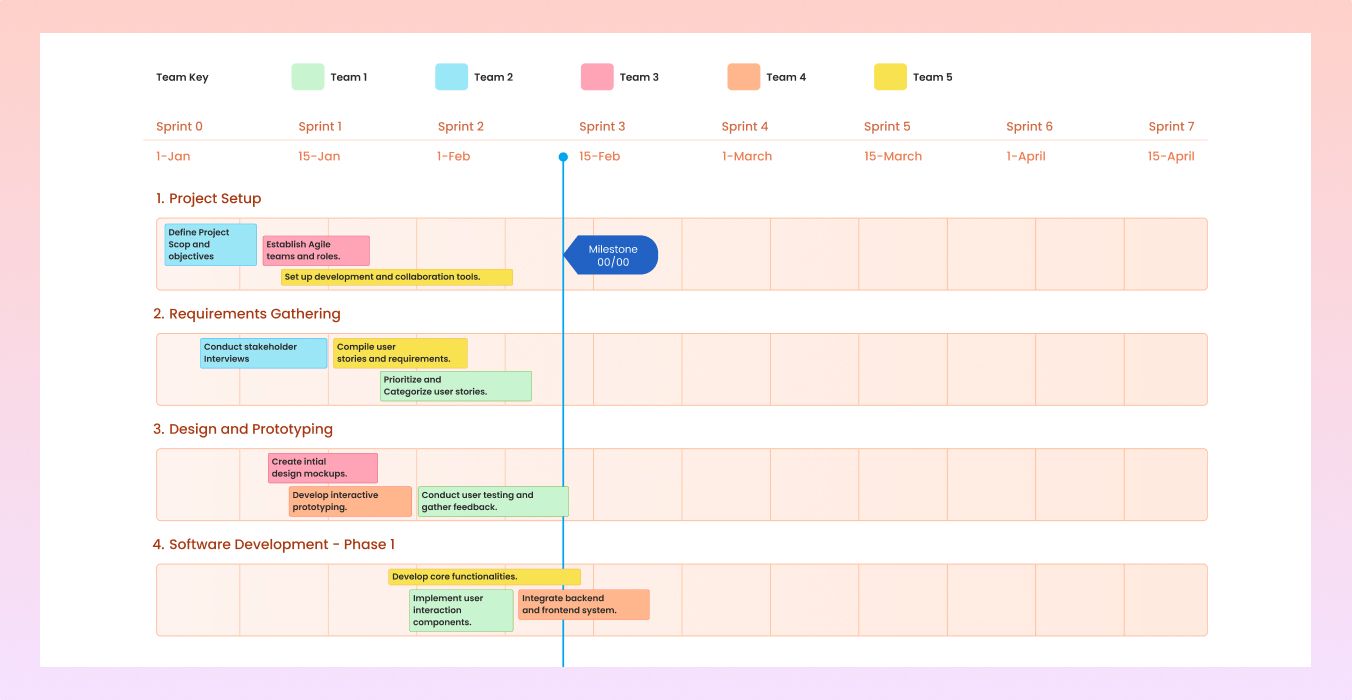
Our DevOps team began with a phased transition from the previous development company with complete knowledge transfer and technical continuity. For the HR application migration, we consolidated all the app code and resources into a centralized repository and implemented version control governance and standardized branching strategies.
We also conducted a detailed audit of resource-intensive modules. Once identified, we refactored them and optimized database queries, background jobs, and API response times for a scalable architecture. Workflow assessments were carried out across development and release cycles to eliminate redundant handoffs and manual dependencies.
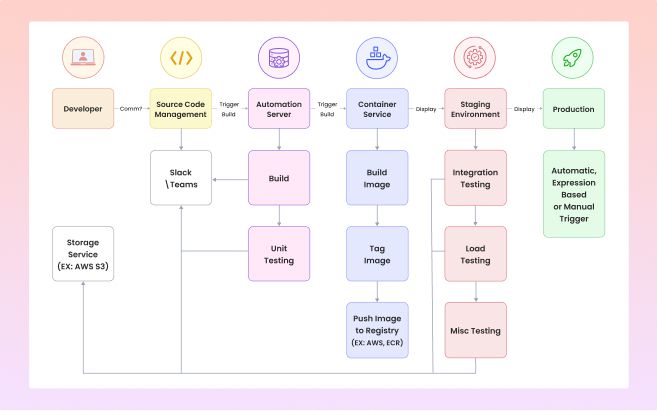
A fully automated CI/CD pipeline was designed and implemented, with build validation, automated testing, and deployment workflows. The HRTech DevOps automation solution enabled reliable, repeatable releases and established a disciplined fortnightly release cycle aligned with agile delivery practices.
Client Feedback

DevOps had been on my to-do list for a while, but after a not-so-ideal experience with the previous vendor, we took our time finding the right partner. Radixweb didn’t disappoint. They have strong expertise in DevOps, CI/CD, and HR management app development. We began with one project in 2022, and it has since led to several others.
The shift from manual releases to an automated cadence through DevOps was decisive. In three years, we’ve turned a single migration project into an ongoing partnership, one where operational stability has resulted in faster releases, and every sprint compounds value.

Parth Shah
Key Challenges

- Challenge 1: Migrating code from the UK development house was tricky due to outdated documentation and inconsistent version control. Our app modernization team had to manually untangle dependencies.
- Challenge 2: Pinpointing workflow bottlenecks took time as manual processes were scattered. Mapping real usage patterns revealed slowdowns no one had quantified before.
- Challenge 3: Resource-heavy areas like bulk payroll processing buckled under peak loads from high-volume staffing firms. Reworking these for scalability meant testing against real-world spikes without disrupting daily CRM operations.
- Challenge 4: Building the CI/CD pipeline required integrating with existing tools recruiters relied on daily. Any misstep risked breaking familiar workflows, so changes were rolled out in stages to maintain uptime.
- Challenge 5: Shifting from the old partner meant retraining internal staff on new repo access and processes. Hands-on sessions were needed to ensure smooth fortnightly releases took hold.
Solutions Delivered

Partner Transition & Knowledge Stabilization
We coordinated a handover from the UK development house by conducting audits and mapping all assets and dependencies. No data was lost, nor services were interrupted. Recruiters continued managing candidates and payroll without noticing the backend shift.

Centralized Repository & Governance Framework
All app code was migrated to a secure, centralized Git repository with proper branching strategies. Using unified access and version tracking, we eliminated scattered files and ran parallel development.

Performance Optimization of Critical Modules
Our team profiled resource-heavy modules like payroll batching and candidate search, then refactored them with optimized queries and caching. With this change, the app could handle peak loads from busy staffing seasons without crashing or slowing down.

Workflow Rationalization in Delivery Cycles
A full process review uncovered manual handoffs that caused delays in CRM updates and compliance checks. Radixweb streamlined these with automation scripts and dashboards, and boosted throughput for daily agency operations.

Fully Automated CI/CD Pipeline
A complete CI/CD pipeline was built using Jenkins and cloud integrations to automate builds, tests, and deployments. We replaced manual steps and enabled fortnightly releases so the team could iterate on features without deployment complications.

Performance and Regression Testing
Our app developers created custom testing scripts to benchmark application speed under realistic loads, like high-volume payroll runs. These tools spotted regressions early and delivered ongoing stability for the client's growing user base of agencies.
For your growing customer volumes, we design scalable DevOps ecosystems that support consistent fortnightly or weekly releases.
Core Technologies Used
Azure DevOps
We used Azure DevOps for CI/CD pipelines, project planning, and team collaboration. It enabled automated builds, testing, and deployments to support the client's release cycle.
Git
Git as a distributed version control system was used for code migration and management with reliable tracking, branching, and merging in the centralized repository for team workflows.
GitHub
Our production team hosted a Git repository as the secure central hub for code storage, pull requests, and issue tracking post-migration from the previous vendor.
Docker
Docker helped us package application components consistently and ensure identical environments for development, testing, and production.
Kubernetes
We worked with Kubernetes for scaling and managing Docker containers, as well as for automated deployments and load balancing and handling peak payroll and CRM loads.
JMeter
JMeter was our choice of performance testing tool for load simulation and benchmarking. We created custom scripts to measure app stability under real-world agency usage spikes.
Business Benefits

Release Cycle Reduced from 6 Weeks to 2 Weeks
With a fully automated CI/CD pipeline in place, the team moved from irregular, manually coordinated releases to a disciplined fortnightly cadence. This compressed delivery timelines by nearly a month per release cycle.

Production Incidents Reduced from 12–15 to 4–5 per Quarter
Structured performance optimization and governance controls significantly lowered recurring system issues. Fewer disruptions during payroll and recruitment cycles improved client confidence and reduced operational escalation.

Performance Testing Coverage Expanded to 100% of Critical Workflows
Reusable load and performance scripts were created for all high-impact modules. This ensured every release was validated against defined benchmarks before going live.

Deployment Preparation Time Cut from 8–10 Hours to Under 2 Hours
Automated build validation and release orchestration replaced manual coordination. What previously required most of a working day now executes through structured pipelines with minimal intervention.
Whether you are transitioning or optimizing an existing setup, we provide DevOps managed services that align engineering velocity with business outcomes.